Mastering Local SEO: How to Dominate Your Local Market
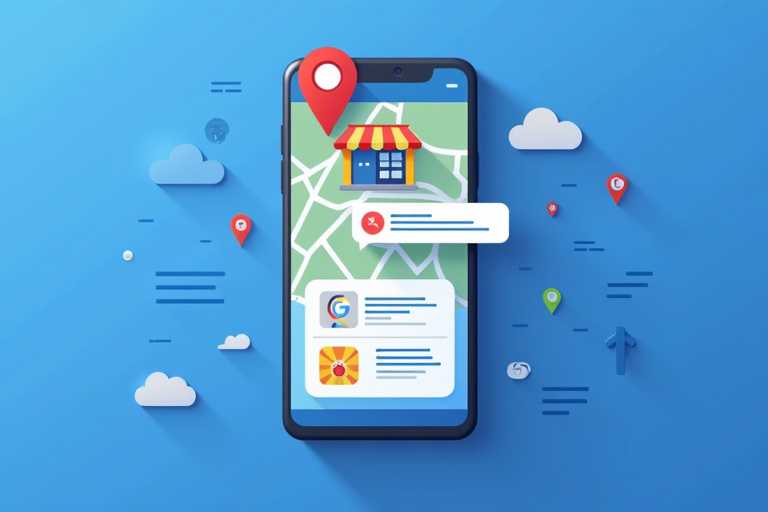
For small businesses, local SEO is not just a marketing strategy. It is the difference between being found by nearby customers or being invisible to the very people most likely to walk through your door. In this comprehensive guide, we break down how to dominate your local market with proven, actionable SEO techniques.
What Is Local SEO?
Local SEO (Search Engine Optimization) is the practice of optimizing your online presence to attract more business from relevant local searches. When someone searches "digital marketing agency near me" or "web design Katy TX," local SEO determines which businesses appear in those results. Unlike traditional SEO, which focuses on ranking nationally or globally, local SEO targets customers in a specific geographic area.
Why Local SEO Matters for Small Businesses
The numbers speak for themselves. 46% of all Google searches have local intent. 76% of people who search for a local business on their phone visit that business within 24 hours. And 28% of local searches result in a purchase. If your business is not optimized for local search, you are leaving revenue on the table every single day.
Google Business Profile: Your Local SEO Foundation
Your Google Business Profile (formerly Google My Business) is the single most important local SEO asset. It controls what appears in the local map pack, the Knowledge Panel, and Google Maps results. To optimize your profile:
- Claim and verify your listing with accurate business name, address, and phone number (NAP)
- Choose the most relevant primary and secondary categories for your business
- Write a compelling business description that includes your primary keywords naturally
- Add high-quality photos of your business, team, products, and services
- Post updates regularly to signal activity to Google
- Respond to every review, positive or negative, promptly and professionally
NAP Consistency: The Technical Foundation
NAP stands for Name, Address, and Phone Number. Search engines cross-reference your NAP across the internet to verify your business is legitimate. Inconsistencies—even minor ones like "St." versus "Street"—can confuse search engines and hurt your rankings. Audit your NAP on your website, Google Business Profile, social media, and every directory listing to ensure exact consistency.
Local Keyword Research and On-Page Optimization
Effective local SEO starts with understanding what your customers are searching for. Use tools like Google Keyword Planner, SEMrush, or Ahrefs to identify local keywords that include your city, neighborhood, or region. Then integrate those keywords naturally into:
- Page titles and meta descriptions
- H1 and H2 headings
- Body content, especially the first 100 words
- Image alt text and file names
- URL slugs
Create dedicated location pages if you serve multiple areas. Each page should have unique content tailored to that specific location, not just a copy of your main service page with the city name swapped in.
Building Local Citations and Directory Listings
Citations are mentions of your business name, address, and phone number on other websites. They are a major local ranking factor. Focus on high-authority directories first:
- Google Business Profile
- Yelp
- Facebook Business
- Apple Maps
- Bing Places
- Industry-specific directories relevant to your niche
Use a citation management tool like BrightLocal or Moz Local to find, fix, and build citations at scale.
Online Reviews: Social Proof That Ranks
Reviews are both a ranking factor and a conversion factor. Businesses with more positive reviews rank higher in local search and convert more visitors into customers. Build a systematic review generation strategy:
- Ask satisfied customers for reviews immediately after a positive interaction
- Make it easy with a direct link to your Google review page
- Respond to all reviews to show engagement and build trust
- Never buy fake reviews—Google's algorithms detect them, and the penalty is severe
Local Link Building
Backlinks from other local businesses, organizations, and media outlets signal to search engines that your business is a trusted part of the community. Effective local link building strategies include:
- Sponsoring local events, charities, or sports teams
- Joining your local Chamber of Commerce
- Contributing guest articles to local news outlets or blogs
- Partnering with complementary local businesses for cross-promotion
Mobile Optimization for Local Search
The majority of local searches happen on mobile devices. If your website is not fast, responsive, and easy to navigate on a phone, you are losing customers. Ensure your site loads in under three seconds, your phone number is click-to-call, and your address links directly to maps with driving directions.
Tracking and Measuring Local SEO Performance
Monitor your local SEO performance using Google Search Console, Google Analytics, and your Google Business Profile insights. Key metrics to track include:
- Local pack rankings for target keywords
- Website traffic from local organic search
- Google Business Profile views, clicks, calls, and direction requests
- Review volume and average rating over time
- Citation accuracy score
Conclusion
Local SEO is a long-term investment that delivers compounding returns. By optimizing your Google Business Profile, building consistent citations, earning genuine reviews, and creating locally relevant content, you position your business to capture the customers already searching for what you offer. The businesses that invest in local SEO today will own their local market tomorrow.
Need help getting your local SEO strategy off the ground? Contact Klixar Digital and let our team of experts build a plan tailored to your market and your goals.
Looking for expert digital marketing help?
Contact Klixar Digital